
In recent years, the concept of working from home has gained immense popularity, especially as technology continues to evolve and reshape the way we approach our careers. The allure of remote work is particularly appealing for those who may not have significant capital to invest in starting a business or pursuing traditional employment avenues. You might find yourself drawn to the idea of earning a living without the need for a hefty financial outlay.
This article will guide you through the various aspects of establishing a successful work-from-home career without requiring any initial investment. The beauty of working from home lies in its accessibility. With just a computer and an internet connection, you can tap into a world of opportunities that allow you to leverage your skills and talents.
Whether you are a stay-at-home parent, a recent graduate, or someone looking to transition into a new career, the possibilities are endless. By understanding how to identify your strengths, find remote job opportunities, and create a conducive work environment, you can embark on a fulfilling journey that aligns with your lifestyle and financial goals.
Key Takeaways
- Working from home with no capital is possible with the right skills and opportunities.
- Identifying and leveraging your skills and talents is crucial for finding remote work.
- Remote job opportunities can be found through online job boards, freelance platforms, and networking.
- Setting up a home office on a budget requires creativity and resourcefulness.
- Building a professional online presence through a strong resume, portfolio, and LinkedIn profile is essential for remote work success.
Identifying Skills and Talents for Remote Work
Before diving into the world of remote work, it’s essential to take stock of your skills and talents. You may possess abilities that you have not fully recognized or utilized in a professional context. Start by reflecting on your past experiences, both personal and professional.
What tasks do you excel at? Are you a strong communicator, an organized planner, or perhaps a creative thinker? By identifying these strengths, you can better position yourself for remote job opportunities that align with your capabilities.
Consider taking an inventory of your skills by creating a list. This could include technical skills such as proficiency in software programs, writing abilities, or even social media management. Additionally, soft skills like adaptability, problem-solving, and teamwork are highly valued in remote work settings.
Once you have a clear understanding of what you bring to the table, you can begin to explore job roles that match your skill set. This self-awareness will not only boost your confidence but also help you tailor your job search effectively.
Finding Remote Job Opportunities

With your skills identified, the next step is to seek out remote job opportunities that resonate with your interests and expertise. The digital landscape is teeming with platforms dedicated to connecting job seekers with remote positions. Websites like Upwork, Freelancer, and Remote.co are excellent starting points for finding freelance gigs or full-time remote roles.
You can filter job listings based on your skills and preferences, making it easier to find positions that suit your needs. Networking plays a crucial role in discovering hidden job opportunities. Engaging with online communities related to your field can open doors to potential job leads.
Social media platforms like LinkedIn are invaluable for connecting with industry professionals and joining relevant groups. By actively participating in discussions and sharing your insights, you can establish yourself as a knowledgeable individual in your area of expertise. This proactive approach not only enhances your visibility but also increases your chances of being referred for remote positions.
Setting Up a Home Office on a Budget
Creating an effective home office doesn’t have to break the bank. In fact, you can set up a functional workspace with minimal investment. Start by designating a specific area in your home that will serve as your office.
This could be a corner of your living room, a spare bedroom, or even a cozy nook in your kitchen. The key is to choose a space that allows you to focus and minimizes distractions. When it comes to furnishing your home office, consider repurposing items you already own.
A sturdy table or desk can be created from an old dining table or even a simple folding table. Invest in an ergonomic chair if possible, as comfort is essential for long hours of work. Additionally, ensure that your workspace is well-lit and organized; good lighting can significantly enhance productivity while keeping clutter at bay will help maintain focus.
Building a Professional Online Presence
In today’s digital age, having a strong online presence is crucial for anyone seeking remote work opportunities. Your online persona serves as your professional calling card, showcasing your skills and experiences to potential employers or clients. Start by creating or updating your LinkedIn profile; ensure it reflects your current skills, experiences, and aspirations.
A well-crafted profile can attract recruiters and help you connect with like-minded professionals. Beyond LinkedIn, consider building a personal website or portfolio that highlights your work samples and achievements. This platform allows you to showcase your talents in a visually appealing manner while providing potential employers with tangible evidence of your capabilities.
Regularly updating your online presence with relevant content—such as blog posts or articles related to your field—can further establish you as an authority in your niche and enhance your visibility in the remote work community.
Managing Time and Productivity while Working from Home
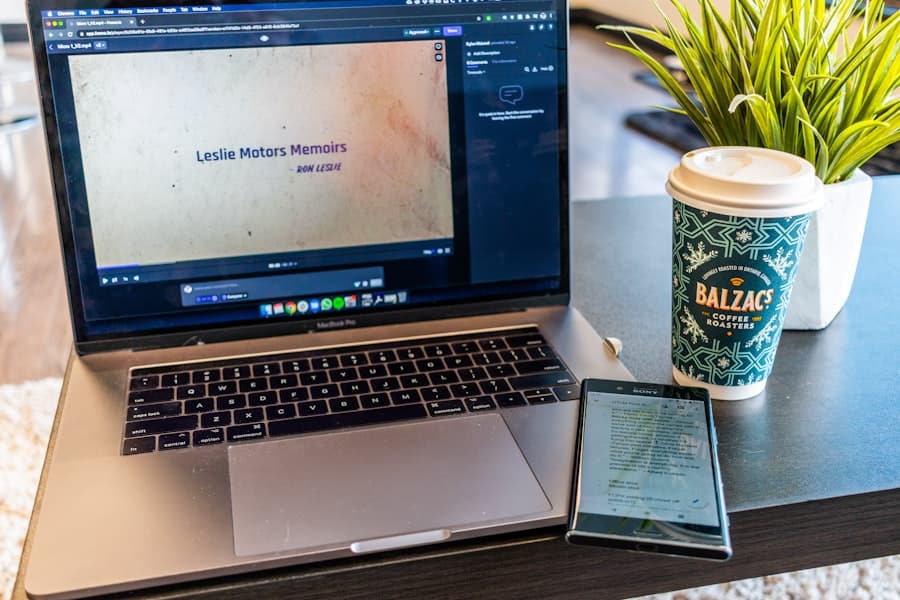
One of the most significant challenges of working from home is managing time effectively. Without the structure of a traditional office environment, it can be easy to lose focus or become overwhelmed by distractions. To combat this, consider implementing a daily routine that mirrors a typical workday.
Set specific working hours and stick to them; this will help create boundaries between work and personal life. Utilizing productivity tools can also enhance your efficiency while working remotely. Applications like Trello or Asana can help you organize tasks and set deadlines, ensuring that you stay on track with projects.
Additionally, techniques such as the Pomodoro Technique—where you work for 25 minutes followed by a 5-minute break—can boost concentration and prevent burnout. By establishing effective time management strategies, you can maximize productivity while enjoying the flexibility that remote work offers.
Networking and Building Connections in the Remote Work Community
Networking is an essential component of building a successful career in remote work. While it may seem daunting at first, there are numerous ways to connect with others in the remote work community. Online forums, social media groups, and virtual events provide excellent opportunities to meet like-minded individuals who share similar interests and goals.
Consider joining professional organizations or attending webinars related to your field; these platforms often facilitate networking opportunities that can lead to valuable connections. Engaging with others through discussions or collaborations can not only expand your network but also provide insights into industry trends and best practices. Remember that networking is not just about seeking job opportunities; it’s about building relationships that can support your career growth over time.
Overcoming Challenges and Staying Motivated in a Remote Work Environment
While working from home offers numerous benefits, it also presents unique challenges that require resilience and adaptability. Feelings of isolation or disconnection from colleagues can arise when working remotely for extended periods. To combat this, make an effort to stay connected with coworkers through regular check-ins or virtual coffee breaks.
Establishing these social interactions can help foster camaraderie and maintain morale. Staying motivated is another hurdle many face when working from home. To keep yourself inspired, set personal goals and celebrate small achievements along the way.
Create a vision board or list of aspirations that remind you of why you chose this path in the first place. Additionally, incorporating regular breaks into your schedule can rejuvenate your mind and prevent burnout. By acknowledging the challenges and proactively addressing them, you can cultivate a fulfilling remote work experience that aligns with your personal and professional aspirations.
In conclusion, embarking on a work-from-home journey without capital is entirely feasible with the right mindset and strategies in place. By identifying your skills, seeking out opportunities, creating an efficient workspace, building an online presence, managing time effectively, networking within the community, and overcoming challenges with resilience, you can carve out a successful career path that suits your lifestyle and goals. Embrace the flexibility and freedom that remote work offers while remaining committed to continuous growth and development in this evolving landscape.
FAQs
What does it mean to work from home with no capital?
Working from home with no capital means starting a business or working remotely without the need for a significant initial investment. This could involve freelancing, starting a home-based business, or finding remote work opportunities that require minimal or no financial investment.
What are some examples of work from home opportunities with no capital?
Some examples of work from home opportunities with no capital include freelance writing, virtual assistance, online tutoring, graphic design, social media management, and affiliate marketing. Additionally, some companies offer remote work opportunities that do not require any upfront financial investment.
What are the benefits of working from home with no capital?
The benefits of working from home with no capital include the ability to start a business or work remotely without the financial burden of a traditional brick-and-mortar business. It also allows for flexibility, reduced overhead costs, and the potential to earn income from the comfort of your own home.
What are some challenges of working from home with no capital?
Some challenges of working from home with no capital may include the need for self-discipline, the potential for inconsistent income, and the need to navigate the online marketplace and remote work landscape. Additionally, individuals may need to invest time and effort into building their online presence and finding clients or remote work opportunities.