Microtasks In Javascript
Have you ever wondered how JavaScript handles multiple tasks simultaneously without crashing or slowing down? The secret lies in its event loop and the concept of microtasks.
What Are Microtasks?
Microtasks are a category of tasks that JavaScript uses to handle asynchronous operations, enabling you to write cleaner and more efficient code. They come into play when you utilize promises, mutation observers, and other asynchronous APIs.
The Role of Microtasks in JavaScript
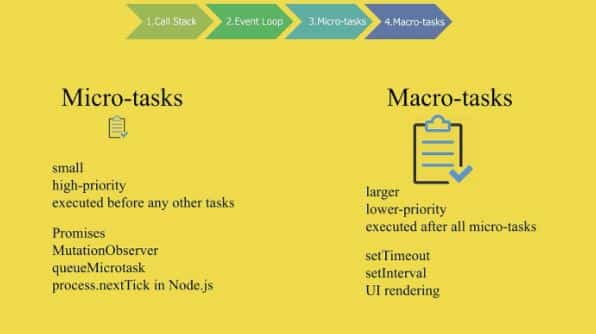
Microtasks operate within the event loop, prioritizing tasks that must be finished immediately after the current job is completed. This ensures that your application remains responsive and that promises are resolved promptly.
To help you visualize this, think of microtasks as urgent messages that must be addressed before tackling anything else on your to-do list. They’re structured to run right after the currently executing JavaScript code, making them feel instantaneous.
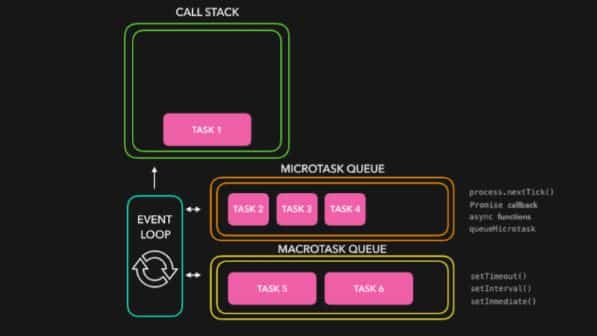
The Event Loop: Where Microtasks Live
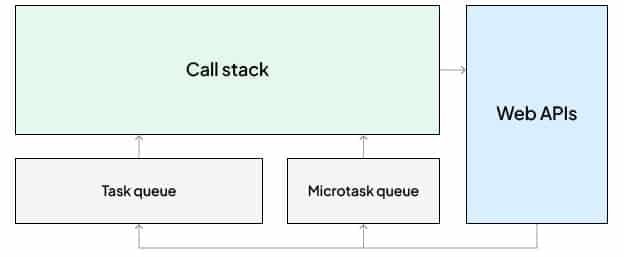
Understanding the event loop is crucial for grasping microtasks. The event loop constantly cycles through the task queue, which contains all the operations that need to be processed, from the microtasks queue to the macro tasks queue.
Macro Tasks vs. Microtasks
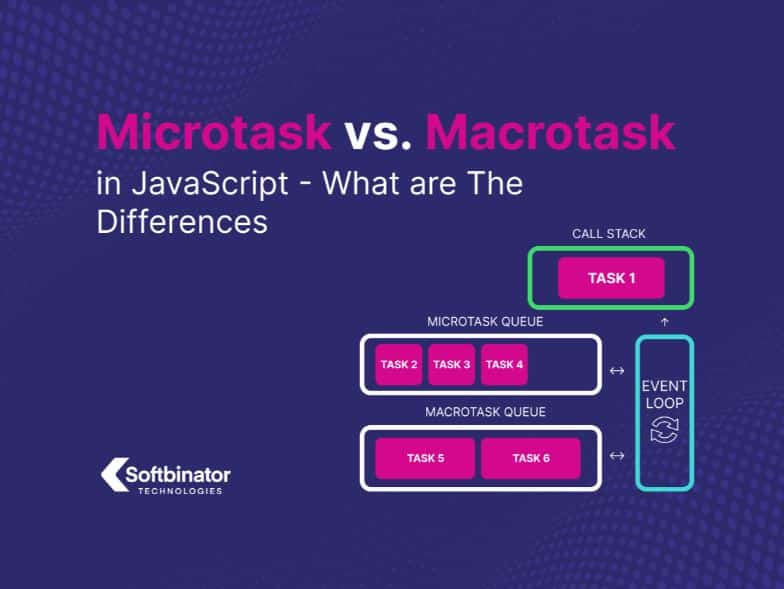
Before diving deeper into microtasks, it’s essential to distinguish between macro tasks and microtasks. Here’s a handy table to clarify this distinction:
| Aspect | Macro Tasks | Microtasks |
|---|---|---|
| Execution Order | Executed after the current call stack | Executed immediately after the current task |
| Examples | setTimeout, setInterval | Promises, Mutation Observers |
| Priority | Lower priority compared to microtasks | Higher priority than macro tasks |
| Purpose | Often used for asynchronous operations | Used for managing promise callbacks |
The chart illustrates that microtasks have a higher priority than macro tasks, which means they get processed first, ensuring that tasks that need to happen quickly do so without delay.
How Microtasks Work
To see how microtasks operate in action, let’s consider the lifecycle of a promise. When you create a promise, it runs in its microtask. Here’s a simplified flow of how this works:
- You create a promise using
newa Promise(). - The code inside the promise is executed.
- If a .then() is attached to the promise, the function you provide will be placed in the microtasks queue.
- Once the current executing code completes, the event loop checks the microtasks queue and runs any functions pending execution.
Example: Basic Promise Usage
Let’s illustrate this with a basic example:
console.log(‘Start’);
const promise = new Promise((resolve) => { console.log(‘Inside Promise’); resolve(‘Promise resolved’); });
promise.then((message) => { console.log(message); });
console.log(‘End’);
When you run this code, the output will be:
Start Inside Promise End Promise resolved
Breakdown of the Output
- The first log statement, “Start”, executes immediately.
- The promise’s executor runs, printing “Inside Promise” before resolving.
- The promise’s
.then()method is placed in the microtasks queue. - Once the main script finishes executing, the event loop processes the microtask, logging “Promise resolved.”
This sequence showcases microtasks’ role in keeping operations running smoothly. The code you write becomes non-blocking—you don’t have to wait around for one task to finish before starting another, as everything happens in a well-structured order.
Chaining Promises
When you chain promises, microtask handling becomes even more crucial. Each .then() you call adds another function to the microtasks queue that will execute when the promise resolves.
An Example of Promise Chaining
Here’s a straightforward example of promise chaining:
console.log(‘Start’);
const first promise = Promise.resolve(‘First’);
first promise .then((message) => { console.log(message); return ‘Second’; }) .then((message) => { console.log(message); return ‘Third’; }) .then((message) => { console.log(message); });
console.log(‘End’);
What This Example Shows
Running this code snippet will yield:
Start First Second Third End
- “Start” logs first.
- The
first promiseresolves immediately and moves to the firstthen (). - Each chained
.then()executes in order, thanks to the microtasks queue. You can see how they all wait until the previous promise in the chain is resolved.
Mutation Observers as Microtasks
Besides promises, mutation observers are another powerful tool that utilizes microtasks. They allow you to respond to changes in the DOM, such as when nodes are added or modified.
How Mutation Observers Work
When you create a mutation observer, it watches for specified changes and fires the corresponding callback function when a change occurs. Here’s how they fit into the microtask world:
- You create an instance of a mutation observer.
- You call the
observe()method to start observing a target node. - the observer adds the callback function to the microtasks queue once changes occur.
- After the script execution, the mutation observer’s callback runs, allowing you to handle the changes efficiently.
Example of a Mutation Observer
Here’s a simple example of a mutation observer in action:
const targetNode = document.getElementById(‘myNode’);
const config = { attributes: true, childish: true, subtree: true };
const callback = (mutationsList) => { for (let mutation of mutationsList) { console.log(‘Mutation observed:’, mutation); } };
const observer = new MutationObserver(callback); observer.observe(target node, config);
Whenever a change occurs on the target node, the callback is placed in the microtasks queue, ensuring that the mutation is handled promptly after the main script runs.
Timing With Promise and setTimeout
You might wonder how microtasks interact with functions like setTimeout(). What happens when you mix promises and timers? Understanding this interaction can help you avoid unexpected behaviors in your code.
Comparing Execution Timing
console.log(‘Start’);
setTimeout(() => { console.log(‘Timeout executed’); }, 0);
Promise.resolve().then(() => { console.log(‘Promise resolved’); });
console.log(‘End’);
When you run this example, you’ll see:
Start End Promise resolved Timeout executed
What This Teaches Us
- The synchronous code (
console.log('Start')andconsole.log('End')) runs first. - The promise resolves immediately, and then a callback is placed in the microtasks queue, which gets executed before the
setTimeout. - The timer function from
setTimeoutis considered a macro task, so it executes only after all microtasks are completed.
This behavior shows how the event loop prioritizes microtasks over macro tasks, reinforcing the importance of understanding microtasks in JavaScript.
The Impact of Microtasks on Performance
Microtasks provide significant performance benefits. By allowing quick handling of tasks that should run immediately, they help maintain the responsiveness of web applications. However, unexpected performance issues can arise from too many microtasks being queued.
Managing Microtask Queues
If you’re not careful, you could end up with an overflowing microtask queue, leading to performance bottlenecks. Here are a few best practices to manage microtasks effectively:
- Limit the Number of Promise Resolutions: Be mindful of how many promises you create and resolve. Unnecessary promise resolutions can pile up in the microtasks queue.
- Optimize Use of Mutation Observers: Only observe the necessary attributes or child nodes to prevent excessive microtask callbacks from accumulating.
- Utilize Throttling/Debouncing: If your application frequently updates the DOM, methods like throttling or debouncing can help manage the frequency of observed changes.
By implementing these strategies, you will enhance your application’s performance and ensure that it remains responsive, leading to happier users.
Real-World Applications of Microtasks
Microtasks have various applications in real-world JavaScript development and are vital in frameworks and libraries that rely heavily on asynchronous operations.
Managing User Interactions
With microtasks, you can efficiently manage user interactions. For example, when a user clicks a button, you can queue an asynchronous task that processes their input without blocking subsequent interactions.
Data Fetching and Rendering
When pulling data from an API, microtasks allow you to fetch data and render it seamlessly. Instead of freezing the interface while waiting for a response, microtasks ensure the user experience is smooth.
Framework Design
Frameworks like React and Vue utilize microtasks to handle updates and render more gracefully. When state changes occur, they can schedule updates to the DOM to optimally balance performance and user experience.
Microtasks are an essential feature of JavaScript that enriches your coding experience and application performance.
Understanding web applications’ roles within the event loop and recognizing their interactions with promises and other API features can help you develop smoother, more efficient web applications.
As you continue your journey with JavaScript, keep microtasks in mind—they’re like your trusty friend helping you manage the complexities of asynchronous programming.
By leveraging this knowledge, you can create more resilient and responsive applications, enhancing your skills and users’ experiences.
Microtasks In Javascript
Microtasks are small units of work performed asynchronously in JavaScript. They handle tasks that need to be executed after the current task in the event loop but before rendering the screen.
In this blog post, we will discuss microtasks, how they work, and how they can be used in JavaScript.
What are Microtasks?
Microtasks are tasks created using the JavaScript Promise class or the MutationObserver API. They are executed in the microtask queue, which is part of the overall event loop in JavaScript. Microtasks are different from macro tasks (such as setTimeout or setInterval tasks) in that they are executed before microtasks in the event loop.
Examples of microtasks include –
- Executing a callback function passed to a Promise’s then method
- Handling mutations in the DOM using the MutationObserver API
How do Microtasks Work?
When a microtask is created in JavaScript, it is added to the microtask queue in the event loop. The microtask queue is processed after the current task in the event loop but before rendering the screen. This means that microtasks are executed in a timely manner and do not block the browser’s main thread.
Some key points about how microtasks work –
- Microtasks are executed in the order they are added to the microtask queue
- Microtasks are executed before microtasks in the event loop
- The microtask queue is emptied before processing microtasks
Using Microtasks in JavaScript
Microtasks can be used in various scenarios in JavaScript to improve performance and manage asynchronous tasks effectively. Some everyday use cases for microtasks include –
- Handling the resolution of Promises
- Performing DOM mutations asynchronously
- Batching multiple tasks together to improve efficiency
Here is an example of how to use microtasks in JavaScript –
// Create a Promise const promise = new Promise((resolve reject) => { // Perform an asynchronous task setTimeout(() => { resolve(‘Promise resolved’); } 1000); }); // Add a microtask to handle the resolution of the Promise promise.then((result) => { console.log(result); });
In this example, we create a Promise that resolves after 1 second. We then add a microtask using the then method to handle the resolution of the Promise and log the result to the console.
Microtasks in JavaScript are a powerful tool for managing asynchronous tasks and improving the performance of web applications.
Developers can write more efficient and responsive code by understanding how microtasks work and how to use them effectively. Incorporating microtasks into your JavaScript code can help streamline workflows and ensure tasks are executed promptly.
Related Topics About Microtasks In Javascript
C’est Quoi Javascript,
Microtasks In Javascript,
What Is $$ In Javascript,
What Is Closest In Javascript
==========
Content 10/10/G